

The Tartaria Lost Civilization Conspiracy Explained: The History of the Theory, Claims, and the Ongoing Controversy.
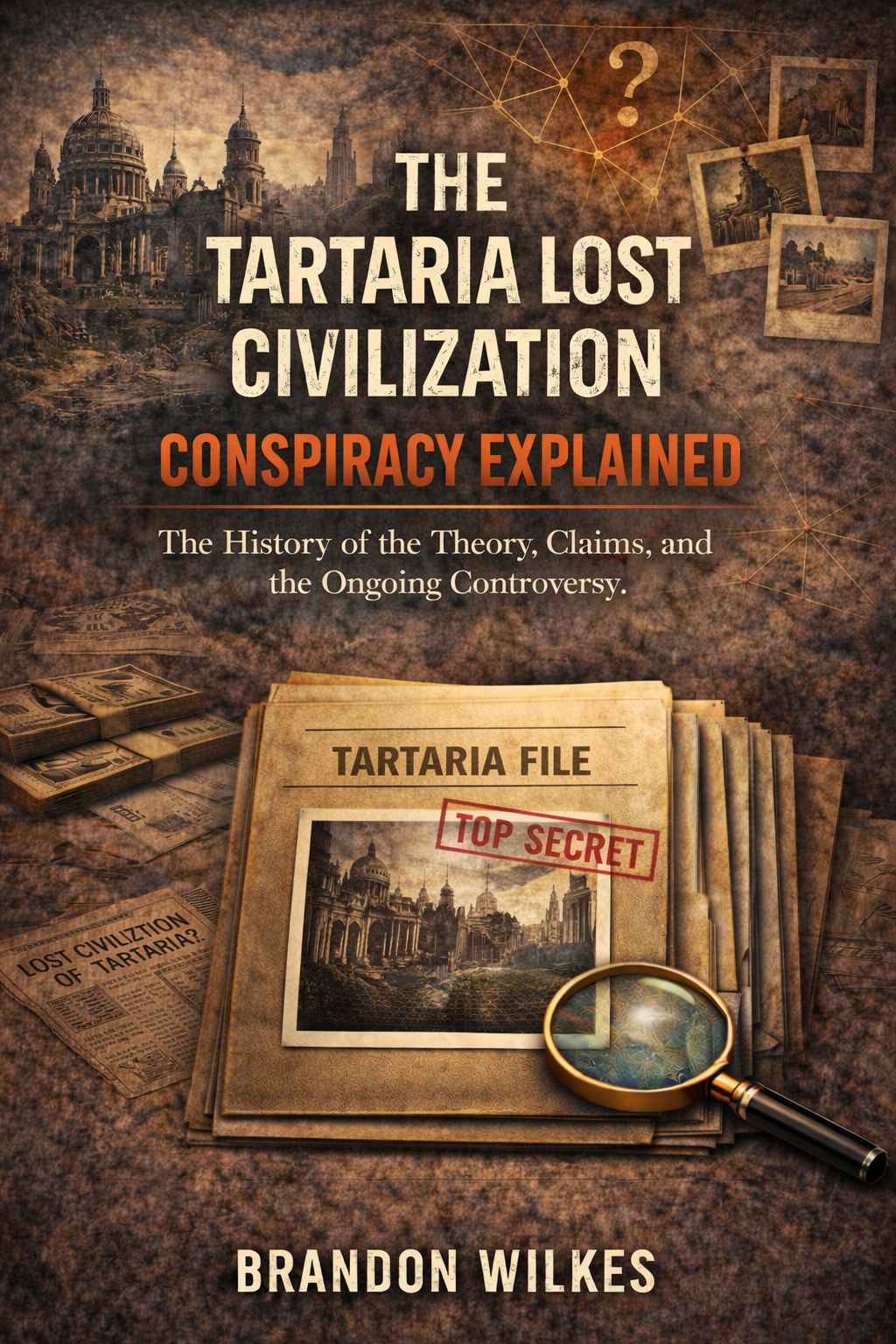
The concept of the Tartaria Lost Civilization has captivated the imaginations of many, raising questions about historical narratives often deemed settled. What if a vast empire, rich in architectural grandeur and cultural sophistication, had once existed, only to be erased from collective memory? The allure of the Tartaria Lost Civilization conspiracy theory lies in its challenge to mainstream historical accounts. This theory posits that a civilization of advanced technology and art was systematically hidden, prompting an exploration into the depths of historical amnesia. Understanding the nuances of the Tartaria Lost Civilization can illuminate how narratives shape societal beliefs and the very fabric of history.
The origins of the Tartaria Lost Civilization conspiracy can be traced back to a blend of folklore, pseudoarchaeology, and a growing skepticism toward established historical institutions. As global communication has become more accessible, the narrative surrounding Tartaria has evolved, fueled by online communities and a resurgence of interest in alternative histories. This phenomenon raises important questions about how the history of Tartaria Lost Civilization is constructed and perceived in the digital age. The significance of this topic today lies in its reflection of broader societal trends, where the quest for truth often collides with the allure of conspiracy theories.
Understanding the Tartaria Lost Civilization conspiracy theory offers profound insights into human psychology and societal dynamics. By examining the claims surrounding this lost civilization, individuals can gain a clearer perspective on how conspiracy theories flourish in environments of uncertainty. The study of Tartaria not only invites critical thinking and skepticism but also encourages a deeper exploration of historical narratives and their implications. Knowledge about Tartaria Lost Civilization empowers individuals to discern between fact and fiction, fostering a more nuanced understanding of the complexities of history.
Key dimensions of the Tartaria Lost Civilization narrative include an exploration of its alleged architectural marvels, advanced technologies, and cultural practices that supposedly thrived before their disappearance. The discourse often references grandiose maps and imagery that challenge conventional historical timelines. Investigating the Tartaria Lost Civilization conspiracy theory reveals a tapestry of beliefs that intertwine with cultural identity and heritage. By unpacking early events and moments that shaped this theory, a clearer picture emerges regarding the motivations and contexts that sustain the fascination with Tartaria.
The intrigue surrounding the Tartaria Lost Civilization appeals to a diverse audience, including historians, researchers, and curious minds eager to question established narratives. Those engaged with this topic often seek to understand the implications of uncovering lost histories and the psychological factors that contribute to the rise of conspiracy theories. The historical context surrounding Tartaria invites professionals from various fields to engage critically with the narrative, enriching the discourse surrounding historical accuracy and interpretation. This engagement fosters an environment where ideas can be challenged and re-evaluated, ensuring the continued exploration of the Tartaria Lost Civilization remains vibrant.
The enduring interest in the Tartaria Lost Civilization reflects a broader human desire to understand origins and lost narratives. As society grapples with evolving historical interpretations, the knowledge surrounding Tartaria becomes invaluable. By engaging with the complexities of this conspiracy theory, individuals can cultivate a critical lens through which to view history, prompting essential discussions about truth, memory, and cultural identity. The ongoing exploration of Tartaria Lost Civilization ensures that conversations about history remain dynamic and relevant, inviting continuous inquiry into what was once thought to be forgotten.